What Are the Benefits of Retinol?
The short answer
It is the only over-the-counter ingredient proven to rebuild what your skin has been losing. Retinol tells your skin to make more collagen, replace surface cells faster, and slow the pigment that makes sun spots. In practice that means shallower fine lines, smoother texture, thicker skin where it had gone crepey, and more even tone. Texture starts changing in about a month. Lines take three to six. It will not lift sagging and it does not replace sunscreen.What does retinol do to your skin?
Retinol is a form of vitamin A. When you put it on your skin, it converts into retinoic acid, and retinoic acid does something unusual: it talks directly to your skin cells and changes what they produce.
Two instructions matter most. It tells the cells deep in your skin to make more collagen, the scaffolding that keeps skin firm. And it tells the cells at the surface to turn over faster, so old, dull, uneven cells are replaced sooner. Almost every benefit below comes from one of those two things.
That is also why retinol is different from most of what is on the shelf. A moisturizer sits on top and improves how skin looks while it is there. Retinol changes what the skin is doing underneath.
Does retinol still work after 50?
This is the question we get most, and the research answer is better than most people expect.
Most retinol studies are done on sun damage in younger skin, which is not what a woman of 55 is looking at in the mirror. But one study went the other way. Researchers applied a 0.4% retinol lotion to the arms of people with an average age of 87, three times a week for six months, with the other arm as the comparison. The retinol arm had significantly fewer fine wrinkles, less roughness, and less overall aging. Their skin was also making more procollagen and more of its own hyaluronic acid.
The point is not the age of the participants. It is that this was naturally aged skin, the ordinary kind, not sun damage, and it still responded. If it works at 87, the question of whether you have left it too late at 52 answers itself.
What strength should you start with?
How long does each benefit take?
The benefits do not arrive together, and this is where most people give up. The surface changes come first because turnover is fast. The collagen changes come last because building collagen is slow.
If you want the week-by-week version of how to start without the irritation, our guide to retinol after 50 walks through strength, frequency and the first eight weeks.
What retinol will not do
Being clear about this is the difference between a plan that works and a jar that disappoints.
It will not lift. Sagging along the jaw and the beginnings of jowls are about the tissue underneath the skin and the way it has settled. No cream reaches that. Our guide to whether jowls can be fixed without surgery is honest about what does.
It will not erase deep folds. The lines from your nose to the corners of your mouth soften. They stay.
And it will not protect you. Retinol makes new skin, and new skin burns more easily. Sunscreen every morning is not an optional extra alongside retinol. It is the thing that keeps the retinol from being undone.
Is it worth it?
For most women over 40, yes, and mostly because of what the alternative looks like. The shelf is full of products that make skin look better for the day. There is a very short list of ingredients that change what skin does over months, and this one is at the top of it, with more evidence behind it than everything else on the list combined.
It is also cheap. A drugstore retinol at 0.3% does the same job as a luxury one, because the ingredient is the ingredient. What you are paying for above about twenty dollars is texture and packaging.
The catch is that it only works if you keep doing it, and the results arrive too slowly to notice day to day. That is the part people lose, not the product.
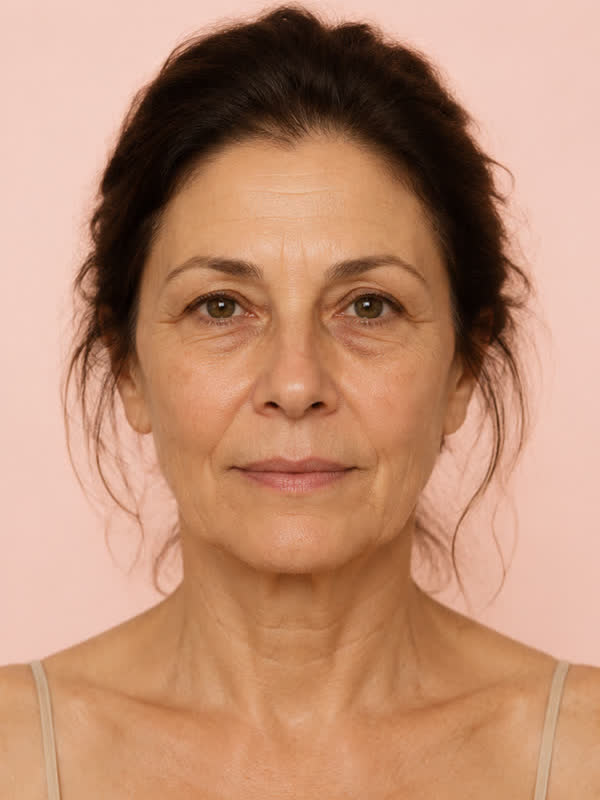 TODAY
TODAY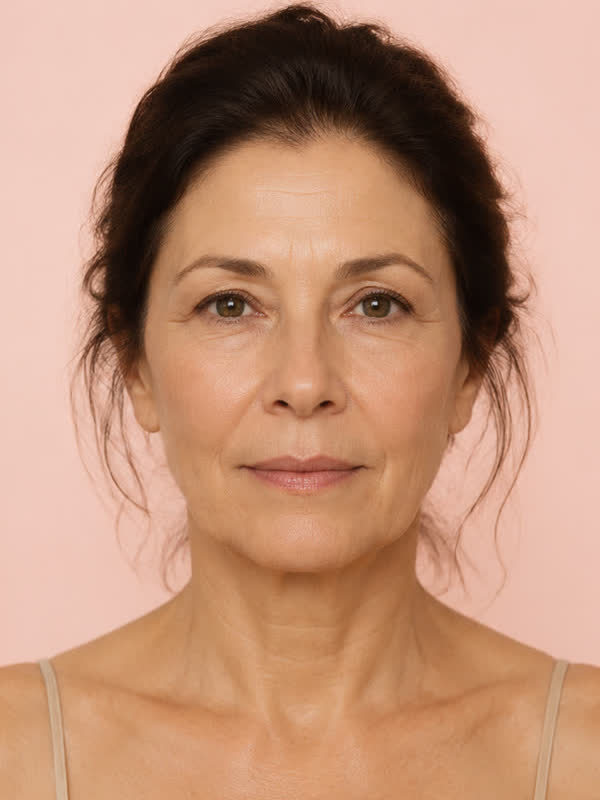 ATTAINABLE
The next step
Get Your Personalized Skincare Program
Revu starts with one photo. You get a program built for your face, not a generic routine: a realistic picture of what your skin can be, and a daily plan made just for you, one area at a time.
Download on theApp StoreFor iPhone · Made for women 40+
Frequently asked questions
What are the main benefits of retinol?
It builds collagen, so fine lines get shallower. It speeds cell turnover, so texture smooths and skin brightens. It slows pigment, so sun spots fade. It thickens skin that has gone thin and crepey, helps skin hold more of its own water, and keeps pores clear.
How long before I see the benefits of retinol?
Texture and brightness usually change in four to eight weeks. Tone and sun spots take about three months. Fine lines take three to six months, because collagen is slow to build. Nothing useful happens in the first two weeks except adjustment.
Is retinol worth it after 50?
Yes. A six-month study on naturally aged skin, average age 87, found significantly fewer fine wrinkles and less roughness on the retinol-treated side, along with more collagen being produced. Age does not stop skin responding.
Does retinol really build collagen?
Yes, and that is the best-evidenced thing it does. It signals the cells that make collagen to produce more, and it slows the enzymes that break existing collagen down. This is measured in skin samples, not just in how skin looks.
Does retinol help sagging skin or jowls?
No. Sagging is about the structure under the skin, and no cream reaches it. Retinol improves the skin itself: texture, thickness, tone and fine lines. Anything promising a lift from a jar is overselling.
Does retinol help with dark spots and uneven tone?
Yes, in two ways. It slows the cells that make pigment, and it clears already-stained surface cells faster. Expect about three months, and expect it to fail entirely if you are not wearing sunscreen.
Is retinol or vitamin C better?
They do different jobs and most routines use both. Vitamin C is a morning antioxidant that protects and brightens. Retinol is a night ingredient that rebuilds. If you only pick one for aging, the evidence favours retinol.
Can retinol thin your skin?
No, it does the opposite. The confusion comes from the flaking and sensitivity of the first few weeks, which feels like damage. Over months, retinol measurably increases skin thickness.
Do I need a strong retinol to get the benefits?
No. Start at 0.2 to 0.3 percent. A lower strength used consistently for six months beats a high strength that irritates your skin into stopping after three weeks. Consistency is the active ingredient.
What are the benefits of retinol on the neck and chest?
The same ones, and both areas usually need them more than your face does. Use it at half the frequency, because the skin is thinner and reacts sooner. Our neck guide covers how to introduce it.